Make Up: A Graphic Design Asset for Print & Editorial Content
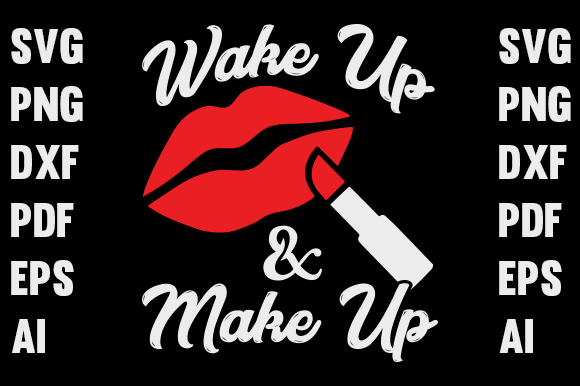
As a blog designer, the first thing I assess about any graphic design asset is its editorial mood. “Make Up” immediately strikes me as playful, artistic, and distinctly lifestyle-focused. It carries a feminine, decorative energy that feels modern and clean. This isn’t a sterile corporate logo; it’s a design that invites engagement, suggesting content niches around beauty, self-care, creativity, personal expression, or even fashion tutorials. The visual tone it sets is crucial—it tells a reader, before they’ve even read a word, that your content is approachable, stylish, and visually curated.
Editorial Applications: From Blog Graphics to Lead Magnets
When I consider using this asset in real publishing workflows, its versatility becomes its greatest strength. The core promise—you’ll receive the design in multiple file formats including SVG, PNG (with transparency), EPS, AI, PDF, and DXF—means it’s ready for both web and print. This is a key detail for any digital publisher. The SVG and transparent PNG are gold for website and social media use, while the vector formats (EPS, AI) ensure crisp quality for any printable lead magnet or digital product.
Imagine integrating “Make Up” into your content strategy. That PNG file can become a standout featured image for a blog post, instantly setting a visual theme. Its decorative nature makes it perfect for Pinterest graphics, where visual appeal directly drives clicks. You could use it as a recurring accent in a series of articles, creating stronger category recognition. For newsletter creators, this design can serve as a vibrant header graphic, breaking the monotony of text-heavy emails.
Building Professional Content Pages & Digital Guides
Beyond single images, this asset supports more complex editorial projects. For online educators or affiliate marketers creating digital guides, worksheets, or eBook covers, the clean vector files allow for seamless integration. Placing “Make Up” on a downloadable resource elevates it from a simple PDF to a polished, professional-looking digital product. This directly impacts reader trust; a well-designed guide feels more authoritative and valuable. For small business owners, this same principle applies to media kits or presentation materials—consistent, quality visuals build brand identity.
Where This Design Asset Amplifies Performance
The practical value of a well-chosen graphic like “Make Up” lies in content performance. A stronger first impression on a blog post or landing page can reduce bounce rates. Used as a hero image or article thumbnail, it establishes a clearer visual hierarchy, guiding the reader’s eye. In the competitive space of social media graphics and digital ads, this distinctive design can improve click-through potential simply by being more eye-catching than a generic stock photo.
For content marketing, especially affiliate content visuals, an asset like this helps your recommendations look curated and credible, not just templated. It supports a more consistent branding across your website, newsletter, and social channels, strengthening your overall visual identity. When readers see the same cohesive style on your Pinterest pin, your blog graphic, and your downloadable checklist, they subconsciously assign a higher level of professionalism to your entire platform.
The Ideal Publishing Contexts for Make Up
Based on its style, “Make Up” works exceptionally well in specific publishing contexts. Use it boldly for hero images on category pages related to lifestyle or creativity. It’s perfect for article thumbnails where you need a quick visual hook. Its decorative quality makes it a natural fit for Pinterest pins aimed at a visually-driven audience. Consider it for editorial accents within longer posts, breaking up text with visual interest. It shines as a central element for content upgrades like printable artwork or coloring sheets. For newsletter headers or social media previews, it can define the theme of your message instantly.
Publisher Notes: Testing & Implementation Best Practices
Before deploying any new design asset into your live content, a few practical checks are essential. First, test “Make Up” on both desktop and mobile screens. How does it look as a tiny thumbnail on a mobile feed? Preview it inside a real blog layout alongside your headline text. Check contrast and readability—ensure any text you overlay sits clearly against the design. Try a quick black-and-white conversion to see if it retains its impact if color is stripped away.
Experiment with pairing it with different font styles. Place it beside a classic serif font for a sophisticated mix, a clean sans serif for modernity, or a playful script font to amplify its decorative feel. Always review the file size of the PNG for web performance; compress it properly to avoid slowing down your page load. Most critically, confirm the commercial licensing terms before using it on monetized websites, affiliate pages, or paid content products. Understanding your rights is fundamental for any commercial design use.
Cautious Application: When to Consider Alternatives
While versatile, “Make Up” should be used carefully in certain contexts. Its detailed, potentially intricate design might lose definition in very small mobile thumbnails, so simplify or zoom in for those instances. Avoid placing it on text-heavy blog images where the design could compete with written content. Be mindful of low-contrast backgrounds that might muddy its appearance. In busy layouts, it could add visual clutter rather than clarity.
For serious professional niches, corporate content, or websites that require a very minimal visual system, this playful asset might not align with the desired tone. Its style is expressive, so for content demanding austerity or formal authority, a more neutral graphic might be a better fit. The key is to match the asset’s mood to your content’s intent.
Final Thoughts on Integrating Make Up into Your Workflow
From a blog designer’s perspective, “Make Up” represents a valuable, multi-format graphic design asset ready for real publishing work. Its ability to enhance blog visuals, solidify website branding, and elevate editorial content is significant. By thoughtfully applying it to featured images, social media graphics, and downloadable resources, you can create a more cohesive and engaging visual experience for your audience.
This isn’t just a file for printing on shirts or mugs—it’s a creative building block for your digital publishing ecosystem. When used strategically, it helps transform standard content pages into polished, clickable, and trustworthy destinations, which is the ultimate goal for any content creator, affiliate marketer, or creative entrepreneur building their presence online.