Evaluating a St. Patrick's Day Design for Real Embroidery
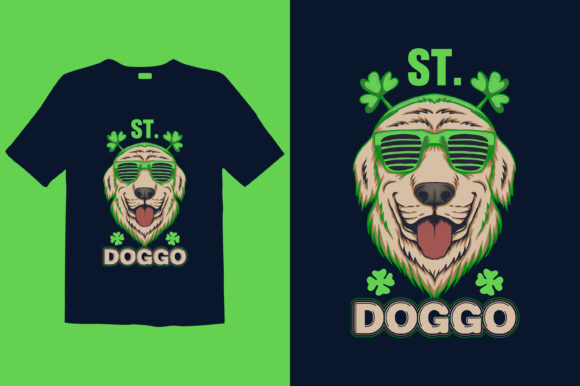
Let’s talk about this St. Patrick’s Day T-shirt Design 039. When you download an embroidery file, you’re not just getting a graphic; you’re committing to a project. You’re thinking about thread, fabric, time, and ultimately, whether the finished product will resonate. So, from the perspective of someone who stitches for clients and runs a small craft business, here’s a practical look at what this design offers and where it might shine—or need a bit of careful handling.
The First Impression: Festive, Clean, and Ready for Celebration
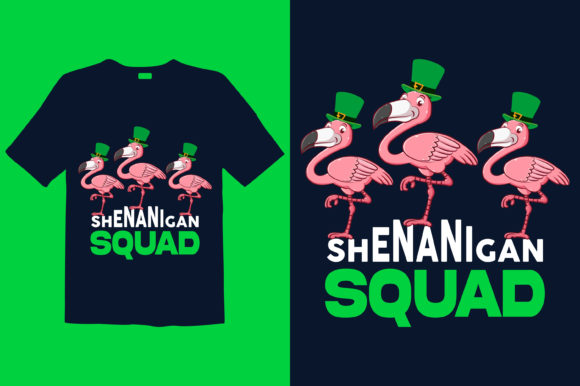
Opening the file, my first thought is that this design has a friendly, celebratory mood. It’s unmistakably St. Patrick’s Day, which is perfect for seasonal projects. The layout feels balanced, not overly crowded, which is a good sign for embroidery clarity. The personality is traditional yet approachable—it’s the kind of graphic that would make someone smile, not puzzle over. It naturally belongs to projects meant for gifting, lighthearted apparel, or boutique holiday merchandise. This isn’t a subtle, minimalist design; it’s meant to be a cheerful statement.
Where This Design Performs Best in Real Projects
In practical application, I envision this design working beautifully on a few key items. A sturdy cotton tote bag would be a perfect canvas, allowing the details to stand out without the worry of fabric stretch. For a custom apparel project, a mid-weight sweatshirt or a firm t-shirt with good stabilizer would let the design hold its shape well after washing. Given its theme, it’s also a strong candidate for a kitchen towel or an apron for holiday gatherings—functional items that become part of the decor.
For small business merchandise, think about products with a flat, stable surface. A pillow cover for a seasonal display or a simple tea towel for an Etsy listing could be excellent. The design’s recognizability boosts its giftability; a finished embroidered patch based on this file could be a quick, sellable item at a craft fair. It lends itself to creating a cohesive line of St. Patrick’s Day products for a boutique, from baby bibs (on a very stable fabric) to decorative pillowcases.
Scenarios That Demand Extra Care
Not every project is ideal. This design’s success hinges on considering the construction. On highly textured fabrics like some blankets, fine details might get lost. Stretchy fabrics, like certain jersey knits, require exceptional stabilization to prevent distortion. Embroidering on a curved surface, such as a cap, would need careful placement to ensure the entire design sits correctly on the crown.
Dark fabric backgrounds are a classic challenge; they demand thoughtful thread color selection for contrast and possibly a different approach to stabilizer to prevent show-through. Any product destined for frequent, harsh washing—like a child’s play shirt—needs to be stitched with durable threads and tested thoroughly. The visual appeal and customer trust in your handmade product depend on this durability.
Thinking Like a Business Owner: Value and Presentation
When you stitch this design onto a product, you’re adding perceived value. A clean, well-executed embroidery job using a clear graphic like this elevates a simple item into a personalized gift or desirable small shop product. It enhances brand consistency if your shop specializes in festive, handmade goods. The professionalism of the final product directly affects buyer engagement; a crisp, unblemished stitch-out is what turns a viewer into a customer.
For commercial embroidery projects or selling the finished items, this design provides a straightforward asset. Its theme has a clear market during the season. However, its use in print templates or as a graphic for digital product previews—as indicated by its category—means it also has utility for creators selling mockups or digital assets, broadening its commercial application beyond the hoop.
A Designer's Practical Notes Before You Hoop
- Always test on scrap fabric first. Use the same material and weight you plan for the final project. This reveals how stitch density interacts with your fabric.
- Check thread color contrast. Run a mental—or actual—test with your intended palette against both light and dark backgrounds. Sometimes the provided color visualization needs adjustment for optimal clarity.
- Inspect the small details. Look at the file closely. Are there tiny corners or potential satin stitch areas that might need a tweak in stitch settings for your specific machine?
- Consider the hoop size. The design’s scale will determine your hoop choice. A too-small hoop can compromise registration and detail.
- Stabilizer is non-negotiable. Choose the right one for your fabric type—no shortcuts. This is the foundation of your embroidery project’s quality.
- Review the provided files. The ZIP includes DXF, SVG, PNG, EPS, and AI files. These are versatile for different software and uses, from direct machine embroidery to creating printable mockups. Confirm which format works seamlessly with your system.
- Clarify licensing for your use. Before selling finished items or using this in commercial embroidery, ensure the license permits it. This is a crucial step for any professional or business.
Final Judgment: A Solid Foundation for Seasonal Crafting
St. Patrick’s Day T-shirt Design 039 strikes me as a dependable, festive graphic. It’s not overly complex, which makes it adaptable for a range of projects where holiday cheer is the goal. Its true value is realized through thoughtful application—pairing it with the right fabric, meticulous stitching, and a clear commercial plan if you’re selling. For embroidery designers and makers looking to add a seasonal offering to their portfolio, this design provides a strong, recognizable foundation. The work, as always, comes in the execution: the careful testing, the perfect stabilizer, the chosen thread. That’s where your craft turns this digital file into a tangible product that feels handmade, professional, and full of holiday spirit.