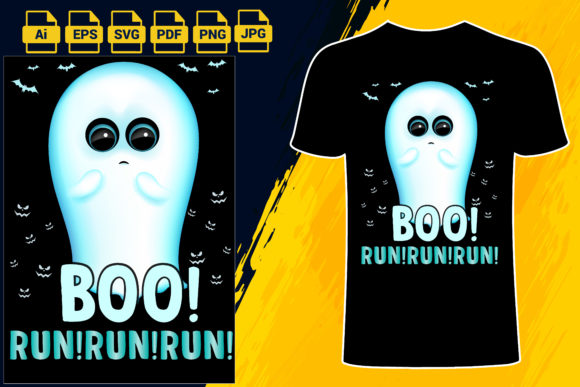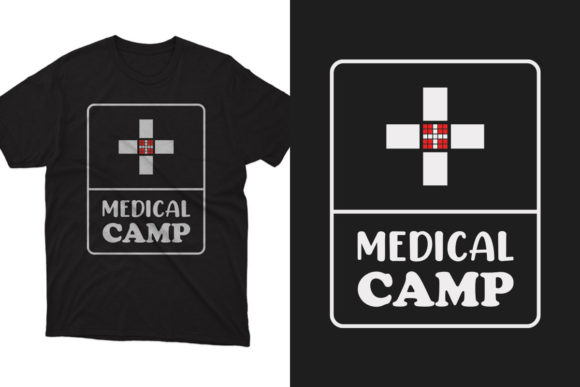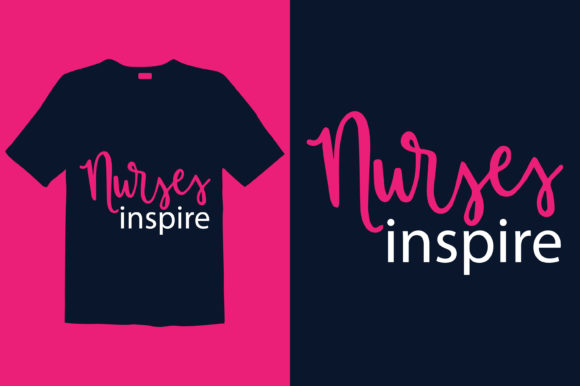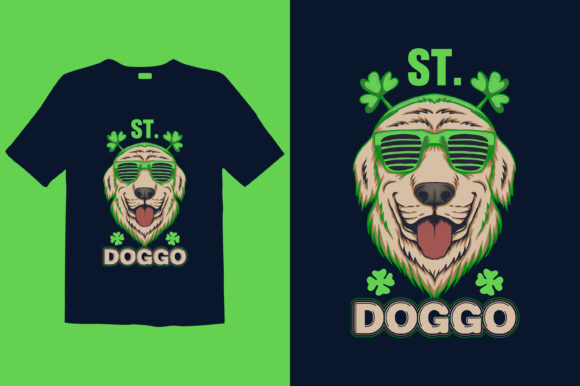
Beyond the Mockup: A Real-World Look at the NEW WINTER T-SHIRT BUNDLE
When a new bundle of designs lands on my desktop, I don’t just look at the pretty previews. My first thought is always: how will these translate into stitches? I imagine the fabric, the hoop, and the finished product hanging in a shop or wrapped as a gift. Let’s walk through that process with the NEW WINTER T-SHIRT BUNDLE.
The Winter Mood It Creates
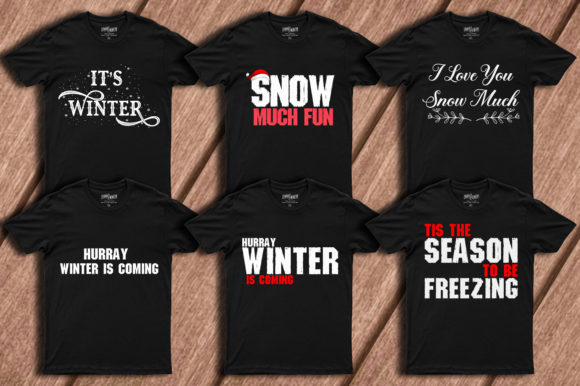
Right away, this bundle evokes a specific, cozy feeling. It’s not just generic snowflakes; the layouts and themes suggest a warm, festive, and often nostalgic winter vibe. The visual personality leans towards the cheerful and decorative, perfect for projects that need to feel like a gift or a special seasonal item. For embroidery, this is a great starting point—a design that carries its own mood means half the marketing work is already done. Customers connect with that feeling instantly.
The Natural Habitat for These Embroidery Files
In my mind, I’m already placing these designs onto real surfaces. They absolutely belong on custom apparel like sweatshirts and t-shirts—that’s a given. But I’m also picturing them stitched onto a linen tote bag for a winter market shopper, or as a delicate accent on a baby’s blanket for a holiday nursery gift. The bundle’s character makes it a strong contender for aprons and pillow covers in a seasonal boutique, or even as a personalized patch on a cap for a festive touch.
The detail level, from what I can assess, seems geared for projects where the embroidery is a central decorative element, not a tiny logo. This means it would shine on products like tea towels, holiday gifts, or small business merchandise where the design is meant to be seen and appreciated. For Etsy sellers and craft fair vendors, this kind of clear, thematic artwork is gold for creating cohesive seasonal listings.
Where These Designs Will Perform (And Where to Be Careful)
Thinking practically about the stitch-out, certain applications come to mind. For commercial embroidery projects or personalized products on stable fabrics like canvas totes or woven apparel, this bundle should offer good clarity. The themes likely lend themselves well to satin stitch borders or fill stitch areas for impact.
However, as any experienced embroiderer knows, not every fabric is a friend to every design. For this winter-themed bundle, I’d proceed with caution on very stretchy fabric or thin materials without impeccable stabilizer use. If the designs contain small lettering or intricate decorative accents, testing on dark fabric backgrounds is crucial—thread color contrast is everything for readability. Similarly, curved surfaces like caps can distort layouts; a test run is non-negotiable.
Any areas with potentially dense stitch fills need to be considered for lightweight garments. And for products destined for frequent washing, like baby clothes or kitchen towels, ensuring the stitch density isn’t overly heavy will help the embroidery last. Always, always stitch it out on scrap fabric first.
The Real-Life Scenario: A Holiday Tote for a Craft Fair
Let’s get specific. Imagine it’s November, and I’m preparing inventory for a holiday craft fair. I want a signature embroidered tote bag that feels wintery but not overly Christmas-specific, so it appeals to a wider audience. I open the NEW WINTER T-SHIRT BUNDLE and evaluate a design for this exact purpose.
I’m thinking about the hoop size needed to maintain the design’s integrity on the bag’s textured fabric. I’m checking the layout to ensure it sits well on a flat, but sizable, panel. I’m mentally reviewing how the colors will pop against a natural canvas or a deeper burgundy fabric. This practical judgment—thinking about the buyer’s reaction when they see it on my table, the handmade presentation, and the product’s perceived value—is how I truly assess an embroidery file. This bundle, with its thematic strength, could build great brand consistency for a seasonal shop.
How the Design Choices Affect Your Business
Using a cohesive bundle like this impacts more than just the stitch-out. For creative entrepreneurs, it boosts professionalism because you’re offering finished products with a clear, attractive theme. That builds customer trust and engagement. A well-embroidered item from this bundle becomes a highly giftable product, increasing its marketability. For digital product sellers offering printable mockups or using these as design assets, the visual appeal of the source artwork is paramount for customer recognition.
It turns a simple embroidery project into a meaningful finished product. That’s the real value.
Essential Designer Notes Before You Hoop Anything
Before you commit this design to a client’s sweatshirt or your own line of baby embroidery, do your homework. Test it in both light and dark fabric mockups, even simple black and white sketches, to understand its form. Inspect the previews for any tiny details that might become lost in translation to thread.
Most critically, confirm the licensing terms. Is this embroidery file cleared for commercial use, allowing you to sell the tote bags, caps, and personalized gifts you create? Or is it for personal projects only? This information is vital for craft businesses and Etsy sellers. The product description mentions it’s for “yourself, friends family, or anyone who supports your Special Day Occasions,” but the exact commercial license needs to be verified before you sell any finished product.
Likewise, confirm the specific file formats and machine compatibility you’ll receive. Assume nothing. Check the stitch density in the files yourself by running a test. Use the proper stabilizer for your chosen fabric—this can make or break a project, especially with potentially layered designs.
Approach the NEW WINTER T-SHIRT BUNDLE with this practical, confident mindset. See it not just as graphics or print templates, but as potential stitches on real fabric, creating real products for real people. That’s where its true worth is found.