A Designer's Review of the 'Psychotic Cooking Lover' T-shirt Design
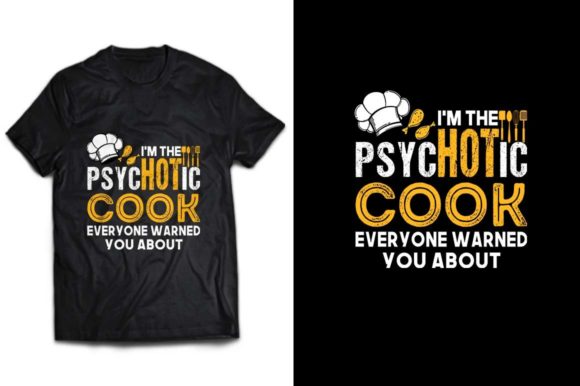
When I first opened the file for the 'I’m the Psychotic Cooking Lover T-shirt' design, it hit me with that perfect, slightly irreverent kitchen humor. The phrase itself has personality—it’s bold, fun, and speaks directly to that passionate cook who might have a few 'experimental' disasters under their belt. As an embroidery designer, my first job is to visualize how a digital design translates into thread and fabric. This one feels like it’s meant for a laugh, a gift, or a statement piece in someone’s kitchen-centric wardrobe.
The Mood It Creates & Where It Belongs
The layout is straightforward, centered on the text, which makes it a versatile candidate for embroidery. There’s no overly intricate graphic overshadowing the message; the personality is all in the words. This is a design that creates a mood of playful confession. It’s not aggressive, it’s self-aware and funny. That mood tells me it belongs on items that are personal, gifted, or sold in a niche handmade shop. It wouldn’t feel right on corporate apparel, but it would be perfect on a custom apron for a foodie friend, a kitchen towel for a baking enthusiast, or a cozy sweatshirt for someone who lives in their kitchen.
A Real Project Scenario: The Custom Embroidered Apron
Imagine a client requests a personalized gift for a wedding. The couple loves cooking together, and the client wants something unique. The 'Psychotic Cooking Lover' design comes to mind. I’d consider embroidering it on a high-quality chef’s apron. The text-based nature means stitch density is manageable—a satin stitch for the letters, perhaps a running stitch outline for definition. On a sturdy apron fabric, with proper stabilizer, this design would hold up beautifully, becoming a functional and hilarious gift they’ll actually use. The design’s clarity after stitching is key; simple lettering ensures it remains readable and visually appealing.
Performance Across Real Embroidery Situations
Let’s walk through where this embroidery file shines and where you might need to proceed with a designer’s caution.
For custom apparel like t-shirts and sweatshirts, it’s a strong contender. The text is bold enough to be recognizable, adding value to a basic garment. For an embroidered patch, it would work well, allowing the end-user to iron it onto a tote bag or cap. As a baby item? Probably not, given the theme, but for adult holiday gifts or small business merchandise in a craft or food-themed Etsy shop, it has definite appeal. It could elevate a simple tea towel or pillow cover into a boutique product.
In commercial embroidery for a local restaurant’s staff shirts or a small gourmet shop’s branding, it could be a fun, engaging choice if it aligns with their brand personality. For digital product sellers, this design, offered as part of a ‘kitchen humor’ bundle with other graphics, becomes a valuable design asset for other makers.
Where to Use Carefully: The Designer’s Notes
This is a text-based design, so the application requires attention to detail. On small hoop sizes, you must ensure the lettering isn’t so condensed that small details become fuzzy. Tiny lettering can lose clarity if the stitch width isn’t calibrated correctly. I’d avoid very textured or stretchy fabrics like some knits without rigorous stabilizer testing, as the text could distort. On dark fabric, thread color contrast is paramount—a bright, contrasting thread color is essential for visual appeal.
For items like caps with curved surfaces, the centered layout should adapt well, but you must check the design’s orientation in your software. And for products destined for frequent washing, like kitchen towels, using durable threads and secure stitching techniques will maintain the handmade presentation and customer trust over time.
Impact on Your Craft Business & Buyers
Using a design like this effectively impacts several facets of your work. Its clear, humorous statement enhances stitching clarity and, when executed well, increases the perceived product value. For an Etsy seller or creative entrepreneur, offering a well-embroidered product with this design can boost buyer engagement—it’s memorable and shareable. It has high giftability and recognition within its niche.
For brand consistency, if your shop focuses on humorous, personality-driven items, this design fits seamlessly. It supports a professional outcome because a clean, well-digitized text design results in a polished finished product.
Practical Embroidery Designer Checklist
Before running this machine embroidery design on a final project, here’s my practiced routine:
- Test on scrap fabric first. Use the same fabric and stabilizer as your final product.
- Check thread color contrast. View it in both light and dark fabric mockups, even digitally, to plan.
- Review stitch density in your software. While the provided files are vector (EPS, SVG), the conversion to stitches matters. Ensure fill stitches aren’t too dense for delicate fabrics.
- Confirm your hoop size can accommodate the design at the size you intend. The description notes an A4 size file, which gives you scale flexibility, but you must set your embroidery dimensions.
- Inspect small details like the apostrophe in “I’m” and the letter spacing. These can get lost if the design is scaled too small.
- Use proper stabilizer for your chosen fabric. This is non-negotiable for clarity.
- Confirm licensing. The product is categorized under Print Templates and Graphics. Always verify the license terms for commercial use before selling finished embroidered items or including it in your digital product listings.
The ‘I’m the Psychotic Cooking Lover T-shirt’ design is a fun, personality-packed graphic. From my point of view as a designer, it’s a solid choice for specific, humor-driven embroidery projects. Its success hinges not on the file itself, but on your thoughtful application—choosing the right project, fabric, and technique to let its playful spirit shine through in thread.